Instrument your containers. Build a live call-graph. Filter every SAST finding against actual execution paths — surface only what can be exploited.
Cloud-native engineering teams deploying applications rapidly via CI/CD pipelines face a paradox: the security tools meant to protect them are generating so much noise that engineers have lost trust in the signal.
Modern SAST tools analyze code statically. They have no visibility into what is actually running in production. A vulnerability in a library function that is never called from a live request path appears identical in the scanner output to a vulnerability on the critical transaction handler. Both get flagged as Critical. Only one can be exploited.
Security teams and developers waste 60 to 80 percent of their remediation effort on vulnerabilities that are never reachable at runtime. Meanwhile, genuinely exploitable paths remain buried in the same queue, deprioritized because everything else is also marked high severity.
The result is alert fatigue: engineers learn to skim, dismiss, and deprioritize. Security gates get bypassed. Real risk goes unaddressed. The problem is not that your scanner is wrong — it is that your scanner has no runtime context.
Runtimekindle instruments at the container level and correlates every SAST finding against live execution paths before your engineers see it.
When a developer commits to a repository, the Runtimekindle agent hooks into the CI/CD pipeline trigger and instructs the runtime instrumentation layer to begin call-graph capture on the deployed container. The integration installs in under 20 minutes for GitHub Actions, GitLab CI, Jenkins, and CircleCI.
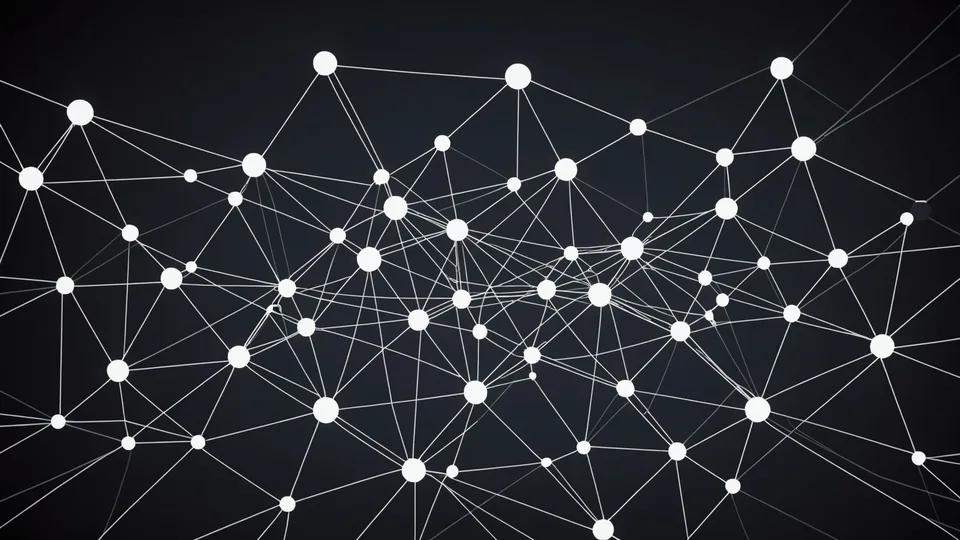
The platform instruments the running application container to build a live call-graph of actual execution paths. Every SAST finding is then cross-referenced against this graph to compute a runtime reachability score. Findings on live call paths receive a high reachability score. Findings in dead code are suppressed or down-ranked, each suppression logged with the specific execution-path evidence behind it.
Engineers see a prioritized finding list showing only runtime-reachable vulnerabilities at high severity. Each high-reachability finding includes an AI-generated triage summary: what is exposed, how it could be exploited, and the exact code change to fix it. Integrations with Slack, PagerDuty, Jira, and Datadog route findings to existing workflows. Integrations include: GitHub, GitLab, Jenkins, CircleCI, Kubernetes, Docker, AWS ECR, GCP Artifact Registry, Slack, PagerDuty, Jira, Datadog.
From call-graph analysis to policy enforcement — each capability designed to reduce engineering time spent on phantom risk.
Runtimekindle instruments applications at the container level to build a live call-graph, then filters every SAST finding against actual execution paths. A vulnerability buried in dead code stays suppressed — only findings on live call paths reach your alert queue.
Engineering teams report substantially fewer high-severity tickets without any increase in escaped vulnerabilities. Every suppression is logged with a traceable execution-path record that auditors can verify independently.

Native integrations with GitHub Actions, GitLab CI, Jenkins, and CircleCI let you configure security gates in under 20 minutes. Gates block or warn based on runtime reachability score, not raw CVE count.
Teams maintain release velocity while eliminating the blind-blocking that causes security fatigue and gate bypass workarounds. Engineers trust gates that block on real risk — and a trusted gate is one that stays on.
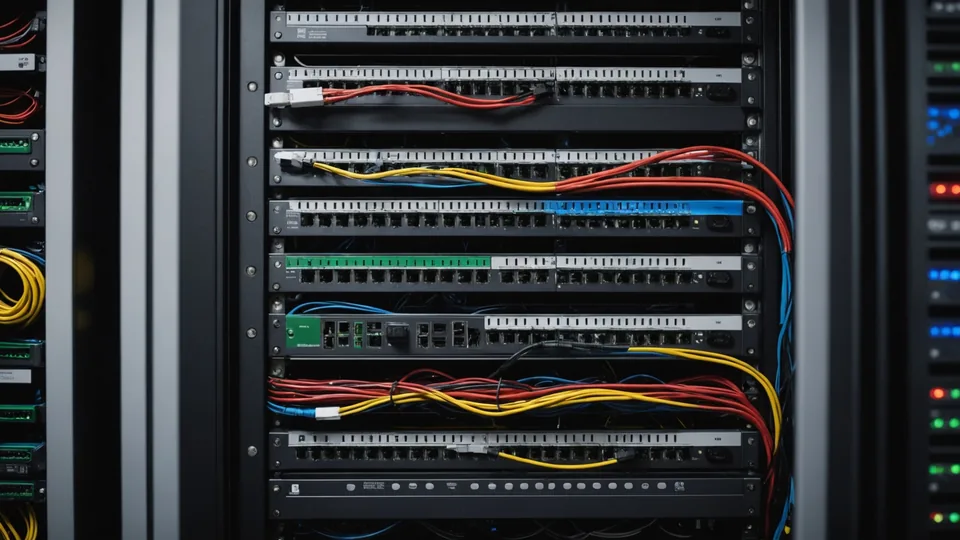
Runtimekindle scans container images and Kubernetes manifests for the most exploitable misconfigurations: privileged containers, overpermissive RBAC roles, exposed API servers, and hardcoded secrets.
Every finding links to its source manifest line and the specific Kubernetes admission control that will block it in future deploys. Secrets detection covers active credentials in both image layers and Git history.
Large language model triage summarizes each finding in three parts: what is exposed, how it could be exploited, and the exact code change to fix it. Security teams no longer need to translate CVE jargon into developer tasks — the work order is auto-drafted.
Mean-time-to-remediate drops substantially for high-reachability findings when engineers receive plain-English summaries they can act on without additional research. Triage quality is continuously evaluated against actual remediation outcomes.

Write risk thresholds in YAML — block merges, fail deployments, or page on-call based on reachability score combined with vulnerability class. Policies live in your repository, reviewed in pull requests, enforced consistently across every team.
Auditors get a versioned log of every policy decision and the finding that triggered it. Security compliance becomes a matter of reading Git history, not reconstructing intent from ticket comments months after the fact.

A single dashboard aggregates findings from all four detection layers — static analysis, secrets scanning, container image scanning, and runtime instrumentation — with trend lines, SLA tracking by team, and accountability views showing which engineer owns each open finding.
Security leads get a live risk posture without exporting CSVs from four separate tools. Dashboard data updates continuously as the runtime instrumentation layer observes new execution paths, ensuring the reachability scores reflect the application's current behavior.
Works with your existing stack
Runtimekindle works best for specific teams — and we would rather be direct about who gets the most value.
Connect Runtimekindle to one repository and see your current alert queue scored by runtime reachability. Most teams find more than 70% of their critical findings are unreachable at runtime.